I am often asked for recommendations of places in Milan, both as photographic subjects and settings. Many of the inquirers are looking for the must-see places – those that are in the tourist guides and every visitor deems mandatory. That bucket list of landmarks are the Duomo, Galleria Vittorio Emanuele + the luxury fashion streets nearby (via Montenapoleone and via Della Spiga), the Sforza Castle and Arco della Pace. And indeed, they are spectacular and also within a limited perimeter, so one can cover them within a day. But unless you have a specific idea in mind or a lot of time to find it, these pictures will look just like everyone else’s.
Is that wrong? Of course not. I firmly believe that photographing landmarks that everyone else has checked off is not just a rite for tourists but also an act of communion for all of us. By photographing them, we stand in the same place and look to experience the same connection that so many others have done as well. We are not looking for originality or photographic recognition but belonging and sharing. Photographing in general is relating to one’s subject matter, so it’s totally legitimate to do what everyone else has already done.
However, if you have checked those off your list and want to experience some less-known places, here is what I recommend.
Entryways
This slideshow requires JavaScript.
Continue reading →


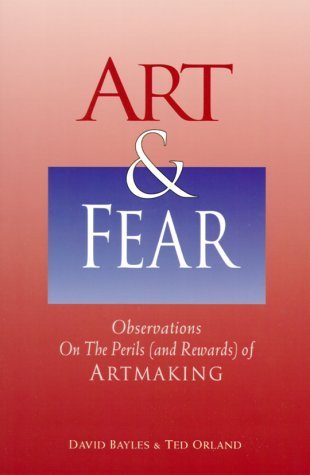 Art & Fear by David Bayles and Ted Orland came out years ago, but it is still one of the most recommended books for artists. It is not about professional development, how to put oneself out there or working with a gallery, but the most underestimated obstacle there is: the fears and anxieties within the loneliness of the studio.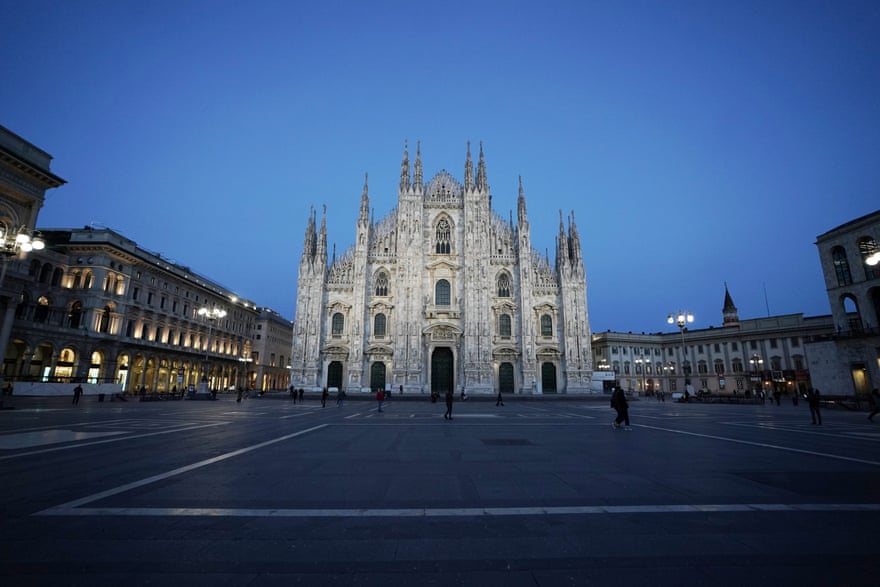


 The textbook for the Art Appreciation class I taught last year offered a chapter on protest art, an umbrella term encompassing artwork related to contestation – from caricatures of the 18th and 19th century to Pussy Riot performances. I asked students: why do the first examples of protest art – according to the textbook, at least – came into existence only a couple of centuries ago? Was conflict not there before, or perhaps it didn’t employ art? While this depends on the definition we choose for conflict and for art, what is normally conserved and transmitted through time is institutionally sponsored art; if it expresses conflict, that will be with other institutions and it would definitely not be considered protest art today. This led to an interesting discussion on how conflict and art intersect and how protest can be even identified in past cultural phenomena.

 Searching for Light